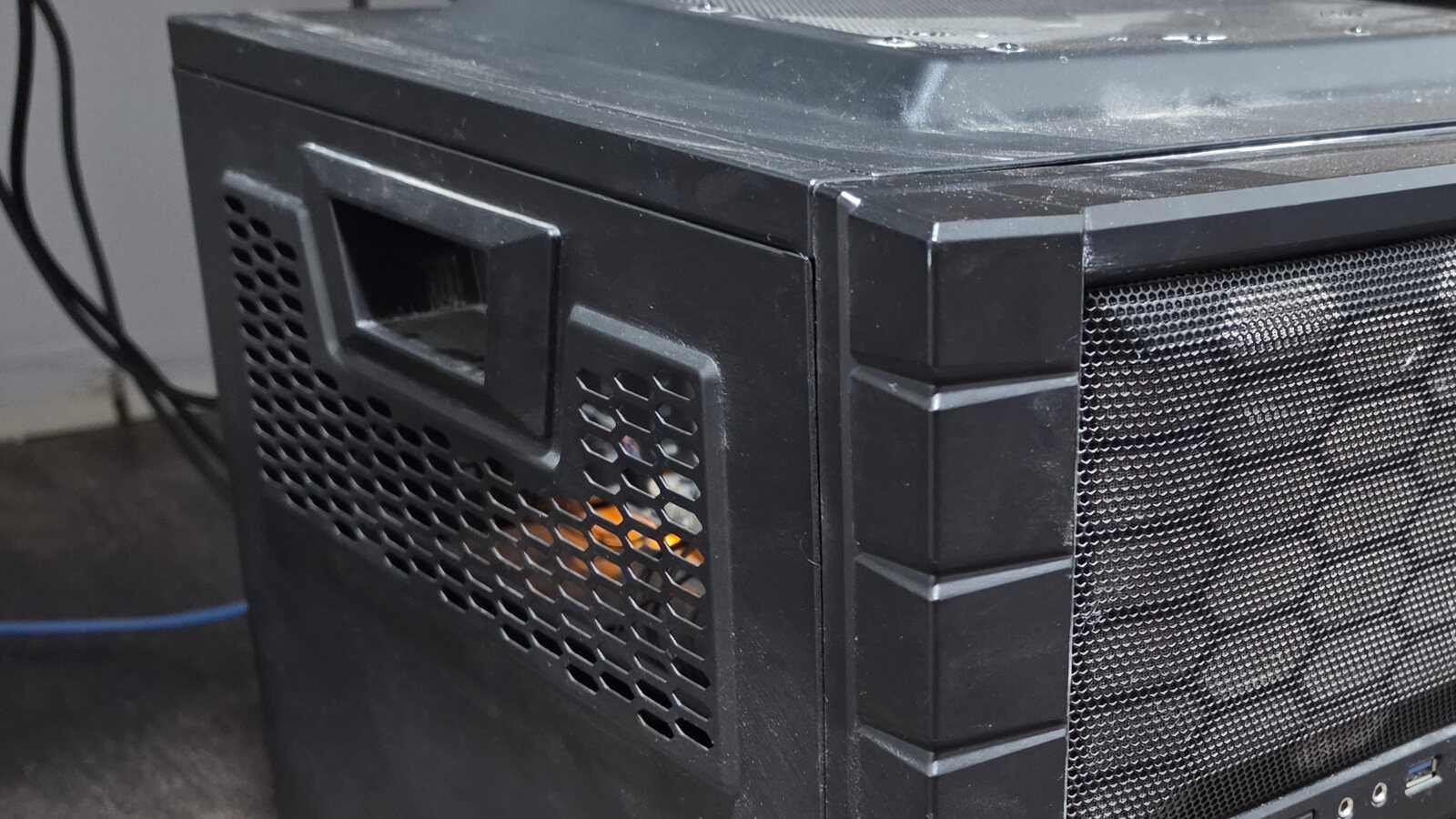
In this tutorial, we'll be building a self-hosted AI chatbot using Ollama. This means we won't rely on cloud services or third-party APIs to power our chatbot's conversational abilities. Not only will this save us money in the long run, but it also allows us to have complete control over our data and the underlying technology.
By building our own chatbot, we'll be able to integrate it with other systems and applications, allowing for seamless interactions and automations. For example, we could use our chatbot to automate customer support, provide personalized recommendations, or even create a virtual assistant for our daily lives.
sudo apt-get update && sudo apt-get install -y ollama
Expected output: Ollama will be installed on your system, along with its dependencies.
ollama init --model-name my-chatbot --token-size 512
Expected output: The AI model will be initialized and configured for our chatbot.
ollama train --epochs 10 --batch-size 32 --patience 3
Expected output: The AI model will be trained on your dataset, with progress updates displayed in the terminal.
ollama serve --port 8080
Expected output: The chatbot will start listening for incoming requests and responding to user input.
Cause: Ollama is not installed on your system.
Fix: Run sudo apt-get install -y ollama to reinstall the package.
Cause: The AI model failed to converge during training. Fix: Increase the number of epochs or batch size, and re-run the training process.
Cause: The chatbot is stuck in an infinite loop or experiencing high latency. Fix: Check the system logs for errors, and consider increasing the processing power or adding more memory to your system.
Keep in mind that self-hosting an AI chatbot like Ollama requires significant processing power, memory, and storage. While this setup provides a solid foundation, it's not suitable for large-scale or high-traffic applications.
Yes, you can experiment with different AI models and architectures to suit your specific use case. However, keep in mind that some models may require additional processing power or memory resources.
You can use APIs, webhooks, or even custom integrations to connect your chatbot to other applications and services. Ollama provides a range of integration options to help you get started.
Yes, you can run multiple instances of the chatbot using the ollama serve command with different port numbers. This allows you to scale your chatbot for high-traffic applications or use cases.
Building a self-hosted AI chatbot like Ollama is an exciting project that offers unparalleled control and customization options. With this setup, you'll be able to create highly personalized and engaging conversational interfaces that integrate seamlessly with other systems and services.
However, keep in mind that this setup requires significant technical expertise and resources. If you're new to AI development or don't have the necessary infrastructure, it may not be the best use of your time and energy.
For those who are willing to invest in their chatbot's success, I recommend upgrading to a more powerful CPU and GPU in the near future to take advantage of Ollama's latest features and performance improvements.
Run AI on hardware you already own. One hands-on brief a week — local LLMs, budget GPUs, homelab builds. Free.