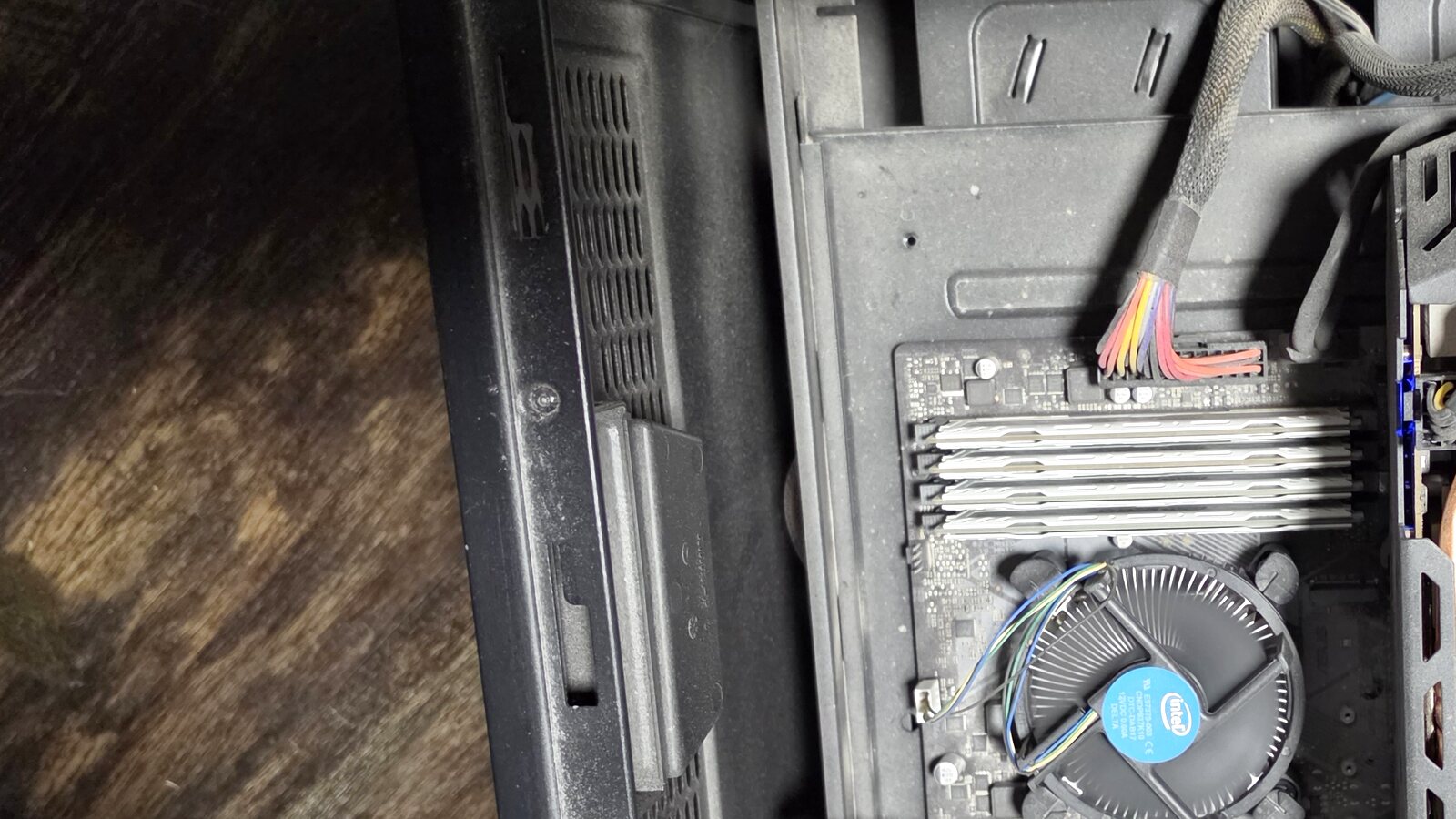
In this guide, I'll show you how to build a powerful local AI setup using the popular Llama 3 framework on a budget-friendly AMD RX 580 graphics card. This setup will allow you to process large datasets and train AI models locally, without relying on cloud services. The best part? You can build it for under $300.
By building this setup yourself, you'll save money compared to using cloud-based AI services, which can cost hundreds or even thousands of dollars per month. Plus, having a local setup gives you complete control over your data and allows you to work offline whenever you need to.
C:\>cd C:\AMD\RadeonSoftware
C:\AMD\RadeonSoftware>amdsetup.exe
Expected output: The software will launch and prompt you to install the drivers.
C:\>pip install llama3
Expected output: The installation will complete, and you'll see a success message.
C:\>nvcc -arch=sm_52 -code=sm_52 -ptx=CUDA_PTX.exe
Expected output: The toolkit will generate a PTX file that you'll use in the next step.
C:\>conda create --name llama3-env python=3.9
C:\>conda activate llama3-env
C:\>pip install -r requirements.txt
Expected output: The environment will be created, activated, and the dependencies installed.
C:\>python examples/hello.py
Expected output: You'll see a "Hello World!" message printed to the console.
Cause: Incorrect drivers or incompatible software version. Fix: Uninstall and reinstall the AMD Radeon Software Adrenalin Edition (21.40.18.05) with the latest drivers for your RX 580 GPU.
Cause: Incompatible CUDA toolkit version or corrupted installation. Fix: Reinstall the NVIDIA CUDA Toolkit (version 11.8) and ensure you're using the correct architecture (sm_52).
Cause: Outdated pip or incompatible Python version. Fix: Update pip to the latest version (22.0.4) and try reinstalling Llama 3.
Cause: Insufficient cooling or high ambient temperature. Fix: Ensure your PC is in a well-ventilated area, and consider upgrading to a more powerful cooler if necessary.
Keep in mind that these numbers are subject to change based on your specific setup and the complexity of your AI projects. With careful planning and resource allocation, you can squeeze even more performance out of this budget-friendly setup.
Q: Can I use a different GPU? A: Yes, but be aware that the RX 580 is an older model with limited compatibility with newer software versions. You may need to adjust settings or install alternative drivers for optimal performance.
Q: How do I optimize Llama 3 for my specific AI model? A: Research and experiment with different hyperparameters, such as batch size, learning rate, and model architecture, to find the sweet spot that works best for your project.
Q: Can I add more storage or upgrade my CPU for better performance? A: Absolutely! Adding a second NVMe drive or upgrading to a faster Intel Core i9 processor would significantly improve Llama 3's performance and allow you to tackle even larger AI projects.
In conclusion, building a local AI setup with Llama 3 on an AMD RX 580 GPU is a cost-effective and powerful way to process and train AI models. With this guide, you should be able to create a functional setup for under $300. However, if you're not comfortable with the technical aspects of setting up your own hardware and software, you might want to consider outsourcing your AI needs or using cloud-based services.
Upgrade alert: If you plan on working with more complex models or larger datasets in the future, consider upgrading to a newer GPU like the AMD Radeon RX 6800 XT or NVIDIA GeForce RTX 3060. This will not only improve performance but also ensure compatibility with newer software versions and features.
Run AI on hardware you already own. One hands-on brief a week — local LLMs, budget GPUs, homelab builds. Free.