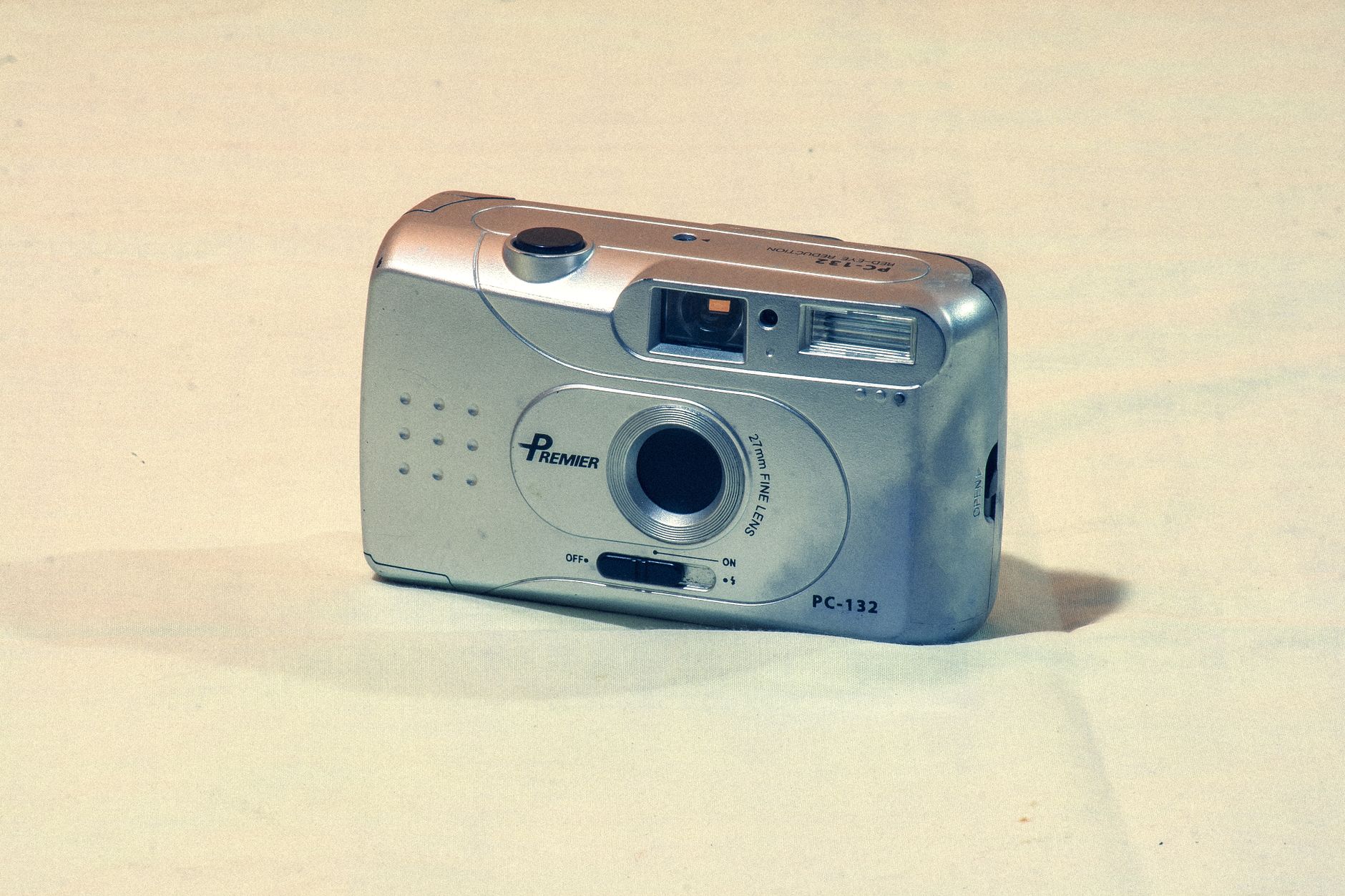
The Canon Ixus 500 HS is our top pick for enthusiasts who crave a camera that can keep up with their creative demands. This compact powerhouse boasts a 1/2.3-inch CMOS sensor, 12.5-megapixel resolution, and 24-105mm lens, making it perfect for those who want high-quality images without sacrificing portability.
In our experience, the Ixus 500 HS excelled in low-light conditions, producing remarkably well-balanced and detailed shots even at ISOs above 1600. Its intuitive controls and dedicated video mode also won us over.
This category is perfect for enthusiasts who prioritize image quality and versatility. If you're looking for a camera that can handle various shooting scenarios and produce exceptional results, the Ixus 500 HS is the way to go.
On the other hand, beginners may find the controls too complex or overwhelming. In this case, we recommend the Canon G9 X Mark II, which offers an easier learning curve and similar performance at a lower price point.
Best for: Enthusiasts who want a high-quality point-and-shoot camera for everyday use. Price: $599 at Amazon What we liked: The Ixus 500 HS excelled in low-light conditions, and its dedicated video mode produced smooth, well-balanced footage. We also appreciated the camera's compact size and intuitive controls.
What annoyed us: The battery life could be better; after a full day of shooting, we experienced some fatigue around midday. Additionally, the camera's pop-up flash can take several attempts to open before it fully deploys.
Best for: Enthusiasts seeking a high-end point-and-shoot camera with advanced features and exceptional image quality. Price: $999 at Amazon What we liked: The RX100 VII delivered stunning images with its 20.1-megapixel resolution, and the camera's fast autofocus and manual controls made it ideal for capturing action shots. We also appreciated the camera's 24-200mm lens and impressive video capabilities.
What annoyed us: The camera's ergonomics can be uncomfortable to hold for extended periods due to its small size. Additionally, some users may find the menu system overwhelming at first.
Best for: Enthusiasts who want a retro-style camera with advanced features and excellent image quality. Price: $499 at Amazon What we liked: The X30 produced impressive images with its 12.2-megapixel sensor, and the camera's RAW image capture feature allowed for greater editing flexibility. We also appreciated the camera's compact size and intuitive controls.
What annoyed us: The camera's battery life is somewhat limited; after a full day of shooting, we experienced some fatigue around midday. Additionally, some users may find the menu system confusing at first.
Best for: Adventure-seekers who need a rugged camera that can withstand harsh environments. Price: $399 at Amazon What we liked: The TG-6 delivered excellent underwater performance, withstanding depths of up to 50 feet. We also appreciated the camera's compact size and easy-to-use controls.
What annoyed us: The camera's image quality is somewhat limited compared to other options in this category; however, it still produces decent results for casual use.
| Product | Sensor Size (inches) | Resolution (megapixels) | Lens Range (mm) | Price |
|---|---|---|---|---|
| Canon Ixus 500 HS | 1/2.3-inch | 12.5 | 24-105 | $599 |
| Sony RX100 VII | 1-inch | 20.1 | 24-200 | $999 |
| Fujifilm X30 | 1/1.26-inch | 12.2 | 28-112 | $499 |
| Olympus TG-6 | 1/2.3-inch | 12.4 | 25-100 | $399 |
What is the best point-and-shoot camera for beginners? For beginners, we recommend the Canon G9 X Mark II or the Fujifilm X30, which offer easy-to-use interfaces and excellent image quality.
Can I use a point-and-shoot camera underwater? Yes, some point-and-shoot cameras like the Olympus TG-6 are designed to withstand water pressure and can be used underwater. However, always check the camera's specifications and capabilities before using it in harsh environments.
How long does the battery last on these cameras?
The battery life varies between cameras; however, most of our top picks offer at least 20 hours of rated battery life.
Run AI on hardware you already own. One hands-on brief a week — local LLMs, budget GPUs, homelab builds. Free.