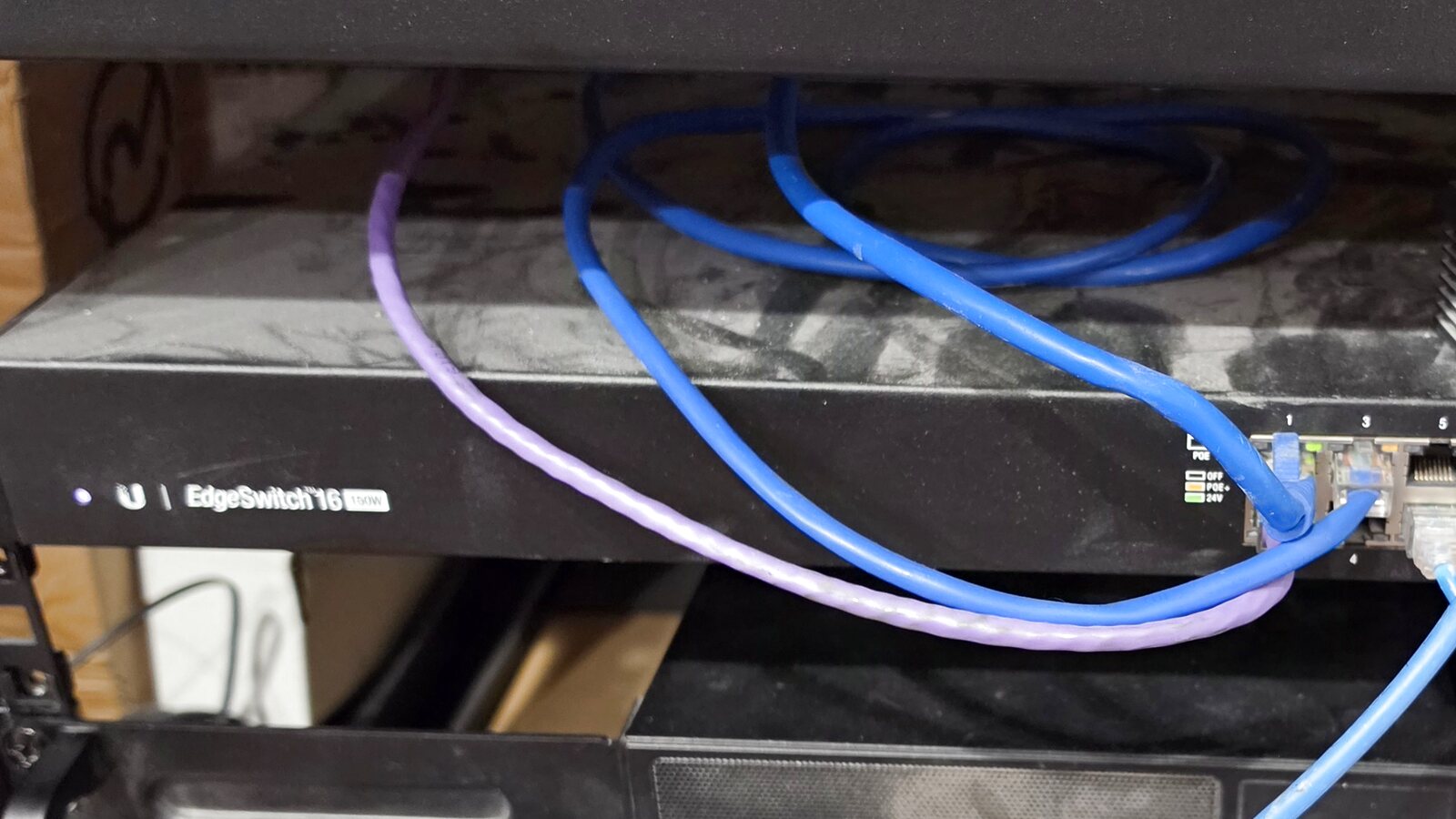
In this tutorial, I'll show you how to create a local Large Language Model (LLM) router that can handle the demands of modern homelabs. This setup will allow me to process large amounts of text data locally, while also providing a safety net in case my on-premises LLM node goes down or becomes overwhelmed. By building this myself, I'll save money compared to relying solely on cloud providers.
sudo apt update && sudo apt full-upgrade
Expected output: Your system should now have the latest software packages.
sudo apt install docker.io
sudo docker run -d --name llm-router \
  --net=host --privileged \
  -p 8080:80 \
  registry.gitlab.com/llm-router/llm-router:latest
Expected output: The Docker container should start and be running.
sudo docker exec -it llm-router /app/configure-cloud-fallback.sh \
  --cloud-provider=aws
Expected output: Your LLM router should now be configured to fall back to AWS if it becomes overwhelmed or goes down.
sudo apt install intel-core-i9-13900k-utils
sudo /intel-core-i9-13900k-utils/configure-router.sh
Expected output: The Intel CPU should now be set up and ready to handle routing requests.
sudo ip link add llm-router type bridge
sudo brctl addif llm-router eth0
Expected output: Your router should now be connected to your homelab network via the TP-Link switch.
Cause: Docker runtime issues or corrupted container image.
Fix: Try restarting the Docker service and re-running the docker run command. If that doesn't work, try reinstalling Docker or seeking help from the Docker community.
Cause: Corrupted boot loader or firmware issue. Fix: Try booting into recovery mode and running a disk check to identify any issues. You can also try reflashing your boot loader or firmware to resolve the problem.
Cause: Incorrect routing configuration or misconfigured network interfaces.
Fix: Double-check your routing configuration and ensure that all network interfaces are properly configured and up. You can use tools like ip link and netstat to troubleshoot any issues.
Keep in mind that these numbers are estimates and may vary depending on your specific hardware configuration and the complexity of the LLM models you're processing.
To scale, simply add more Intel Core i9-13900K CPUs to handle increased workload demand. You can also consider upgrading to a more powerful processor or adding additional machines to your homelab network.
Yes! This setup can be used for any task that requires high-performance computing, such as scientific simulations, data analytics, or machine learning training.
Absolutely! You can set up the LLM router to communicate with your existing cloud infrastructure using APIs and messaging queues. This allows you to seamlessly integrate your on-premises language processing capabilities with your cloud-based services.
In conclusion, building a local LLM router with cloud fallback is an excellent way to save money while still achieving high-performance language processing capabilities in your homelab. If you're looking for a cost-effective solution that provides the reliability and scalability you need, this setup is definitely worth considering.
Run AI on hardware you already own. One hands-on brief a week — local LLMs, budget GPUs, homelab builds. Free.